

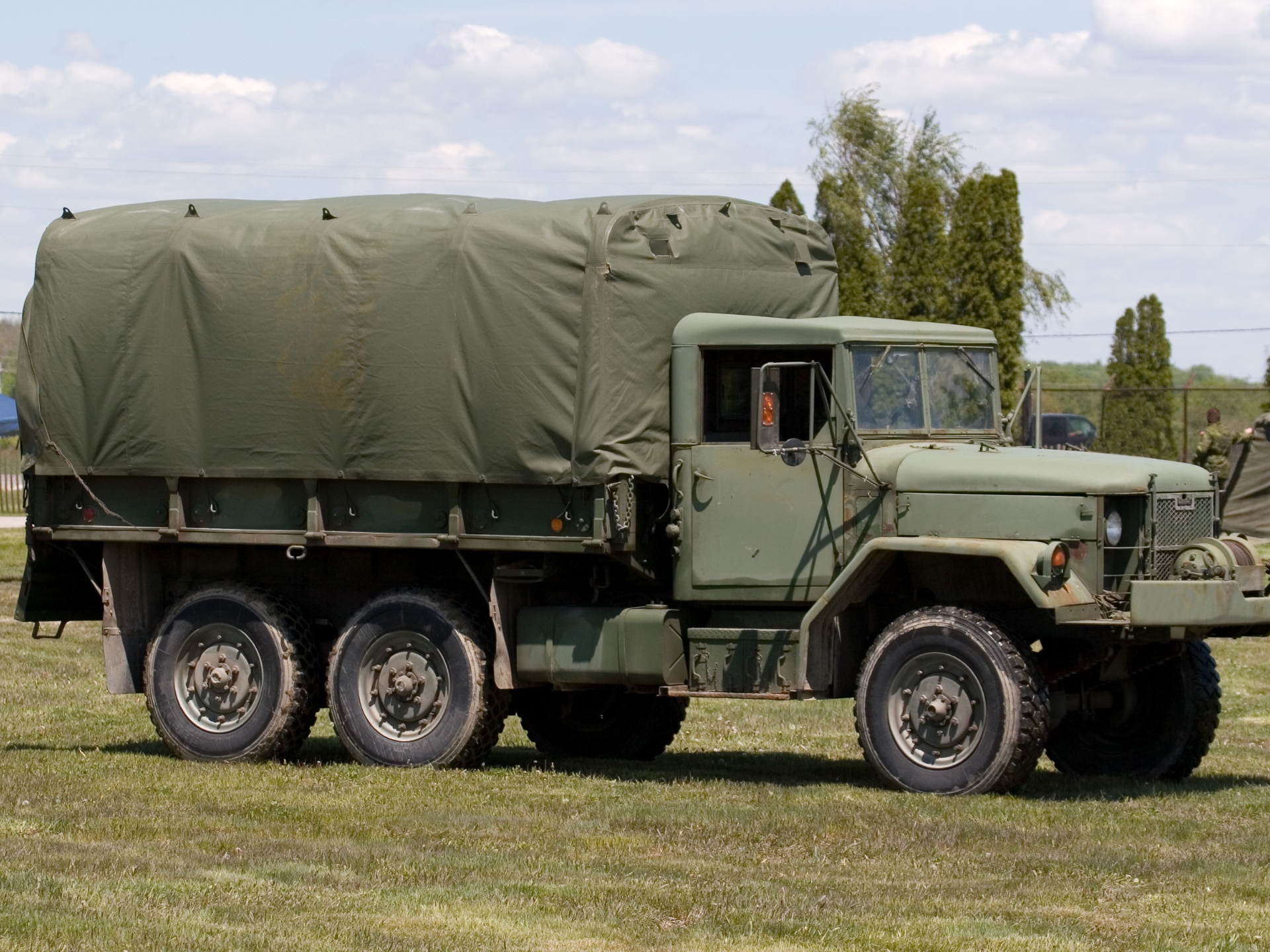
In the UAE, where the climate is characterized by extreme heat, high humidity levels, and occasional dust storms, selecting the right material for protective covers is crucial. Tarpaulins are widely used for various purposes, from protecting outdoor equipment and vehicles to providing shade for construction sites and outdoor events. Two popular types of tarpaulins are canvas and PVC, each with its own set of benefits and limitations. In this article, we will compare canvas tarpaulins and PVC tarpaulins to determine which material is better suited for the UAE’s harsh climate.
Canvas Tarpaulins
Canvas tarpaulins are made from woven fabric, typically cotton or polyester, coated with a layer of waterproofing material such as wax or PVC. These tarpaulins are known for their natural feel, breathability, and flexibility. Canvas tarpaulins have been used for centuries and remain a popular choice in many industries due to their durability and ease of handling. They provide effective protection against the sun, rain, and wind, although they tend to be more susceptible to wear and tear under extreme conditions.
PVC Tarpaulins
PVC tarpaulins, on the other hand, are made from synthetic plastic materials, primarily polyvinyl chloride (PVC). These tarpaulins are coated with a layer of PVC film, making them highly durable, waterproof, and resistant to various environmental factors such as UV radiation, chemicals, and extreme weather conditions. PVC tarpaulins are often used in industrial applications and commercial settings due to their strength and resistance to abrasions, which makes them suitable for a wide range of outdoor uses in harsh environments.

The UAE’s Climate and Its Impact on Tarpaulins
The UAE is known for its hot desert climate, with temperatures soaring above 40°C (104°F) during summer months and occasional rainfall during the winter. Additionally, the region experiences strong winds and dust storms that can wreak havoc on outdoor structures. As such, it’s essential to choose a tarpaulin material that can withstand high temperatures, moisture, and abrasions while offering long-term performance. In this section, we will analyze how canvas and PVC tarpaulins fare in the UAE’s climate.
Performance of Canvas Tarpaulins in the UAE’s Climate
Canvas tarpaulins are breathable and have natural moisture-wicking properties, which help prevent the buildup of condensation on the surface. This can be an advantage in climates that experience fluctuations in temperature. However, in the UAE’s climate, where heat is constant and extreme, canvas tarpaulins can suffer from prolonged exposure to the sun. The UV rays can degrade the material over time, causing it to lose its structural integrity, fade, and become brittle. Additionally, canvas tarpaulins tend to absorb water, which may lead to mold and mildew growth if exposed to prolonged moisture or humidity.
Performance of PVC Tarpaulins in the UAE’s Climate
PVC tarpaulins, in contrast, are highly resistant to UV rays, heat, and moisture, making them better suited for the UAE’s intense climate. The PVC coating protects the material from degradation caused by exposure to the sun, allowing it to maintain its strength and flexibility for a longer period. PVC tarps are also water-resistant and do not absorb moisture, which makes them less susceptible to mold or mildew growth. Their high resistance to wind, dust, and other environmental factors also makes them ideal for use in the UAE, where dust storms are a common occurrence.
Durability and Longevity of Canvas Tarpaulins vs. PVC Tarpaulins
Durability is a key factor when selecting a tarpaulin for outdoor use in the UAE. While canvas tarpaulins are known for their strength and versatility, they generally have a shorter lifespan when exposed to the harsh conditions in the UAE. The material can degrade faster due to UV exposure, and the fabric’s tendency to absorb moisture can lead to quicker deterioration.
In contrast, PVC tarpaulins are far more durable in extreme conditions. The synthetic nature of PVC material makes it highly resistant to abrasions, UV radiation, and water, ensuring a longer service life. Additionally, PVC tarpaulins are often reinforced with a polyester mesh, enhancing their tensile strength and durability under heavy loads or windy conditions. As a result, PVC tarps require less maintenance and replacement over time, making them a more cost-effective option in the long run.

Weight and Handling of Canvas vs. PVC Tarpaulins
When it comes to weight and ease of handling, canvas tarpaulins are typically lighter and more flexible than PVC tarpaulins. This makes them easier to fold, store, and transport. Their natural material allows for better breathability, which is an advantage in situations where air circulation is important. However, this flexibility comes at the cost of durability, especially in harsh weather conditions.
PVC tarpaulins, although heavier and stiffer compared to canvas, are still relatively easy to handle due to their lightweight construction and flexible nature. However, they may be more challenging to fold and store in tight spaces due to their rigidity. The added weight does contribute to their stability in windy conditions, providing an added benefit for use in the UAE’s desert environment, where high winds are common.
Cost Considerations for Canvas and PVC Tarpaulins
The cost of canvas and PVC tarpaulins can vary depending on the size, quality, and specific features of the material. In general, canvas tarpaulins are more affordable upfront compared to PVC tarpaulins. However, due to their lower durability and shorter lifespan in harsh climates, canvas tarps may require more frequent replacements, leading to higher long-term costs.
PVC tarpaulins, while initially more expensive, offer better long-term value due to their durability and ability to withstand extreme weather conditions. The reduced need for replacement and maintenance makes PVC tarps a more cost-effective choice over time, especially in regions like the UAE, where harsh climate conditions can shorten the life of other materials.
Environmental Impact of Canvas vs. PVC Tarpaulins
In terms of environmental impact, canvas tarpaulins have an advantage over PVC due to their natural, biodegradable properties. Canvas, being made from cotton or polyester, is a renewable resource, and it breaks down more easily in the environment when it reaches the end of its life cycle. However, the waterproofing coatings applied to canvas can contain chemicals that may reduce its environmental friendliness.
PVC tarpaulins, on the other hand, are made from synthetic materials that do not biodegrade easily, and they can contribute to environmental pollution if not disposed of properly. However, PVC tarps are highly durable, which means they can last longer, reducing the frequency of replacements and the environmental impact associated with the disposal of tarps.
Choosing Between Canvas and PVC Tarpaulins for the UAE
When deciding between canvas and PVC tarpaulins for use in the UAE, several factors should be considered, including the intended application, durability requirements, and budget. If you need a more cost-effective, breathable, and natural material for lighter use, canvas tarpaulins may be suitable. However, for long-term protection in extreme weather conditions, PVC tarpaulins are the better option. Their superior durability, water resistance, and UV protection make them ideal for the harsh UAE climate.
Conclusion: The Best Choice for the UAE’s Climate
In conclusion, while both canvas and PVC tarpaulins have their advantages, PVC tarpaulins are the better option for the UAE’s climate. With their exceptional resistance to UV radiation, water, and extreme heat, Hp Tarps are better suited to endure the harsh environmental conditions of the UAE. They offer superior durability, require less maintenance, and provide long-term value, making them the ideal choice for protecting outdoor equipment, vehicles, and structures in the region’s extreme weather conditions.