
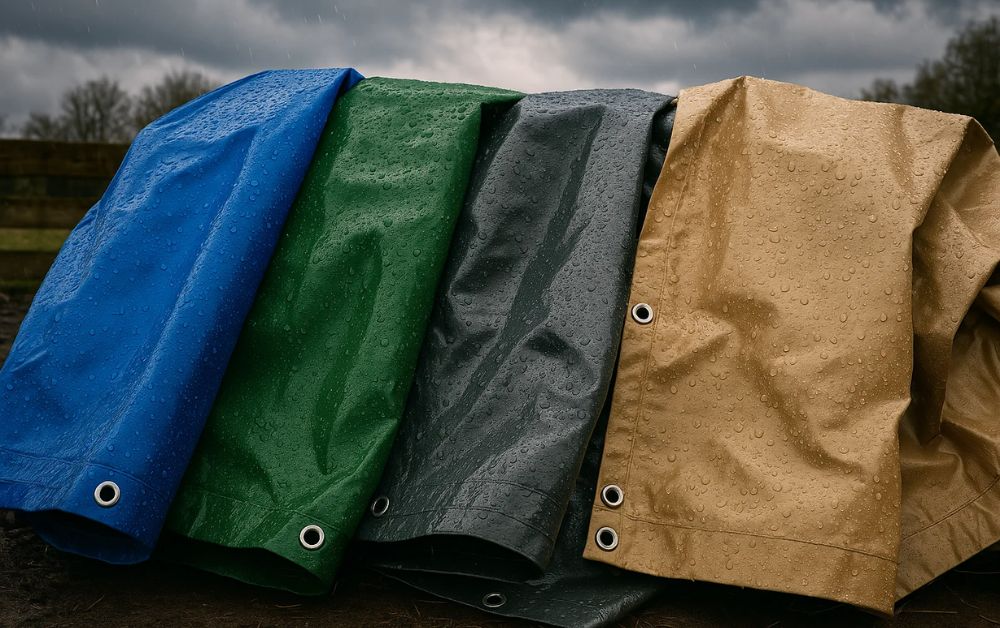
Tarpaulins are a staple across countless industries in the UAE, from construction and transport to agriculture and event management. But with so many types of tarpaulins available, choosing the right one for your application can be confusing—especially when it comes to two of the most popular options: waterproof tarpaulins and UV-resistant tarpaulins.
Understanding how each performs in the UAE’s extreme weather conditions can help you protect your equipment, materials, and investments effectively. Let’s explore what makes these tarpaulins unique, their benefits, and how to decide which is best for your needs.
Understanding Waterproof Tarpaulins
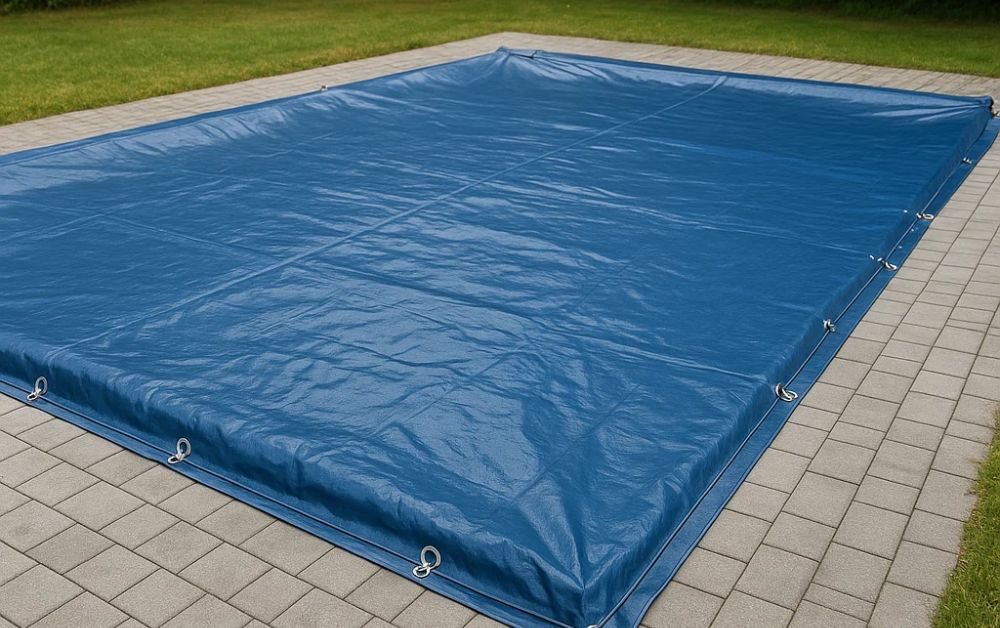
Waterproof tarpaulins are designed to prevent any water from penetrating the fabric. Typically made from PVC, polyethylene, or rubberized canvas, these tarps are coated or laminated to create a fully sealed barrier.
Key Features of Waterproof Tarpaulins:
- Complete Moisture Protection:
No water seeps through, even during heavy rain or when used to line containers. - Easy to Clean:
Because water cannot soak in, dirt and debris wash off easily. - Flexible Applications:
Used for covering goods, creating temporary shelters, and protecting machinery.
In the UAE, rainfall is infrequent but can be sudden and intense, especially during winter months. For businesses storing materials outdoors or transporting goods, waterproof tarpaulins provide the assurance that assets will stay dry and protected from unexpected weather.
However, one limitation to consider is that while waterproof tarpaulins block moisture effectively, they don’t always offer maximum UV protection unless specifically treated or designed for dual performance.
What Makes UV-Resistant Tarpaulins Different?
UV-resistant tarpaulins are manufactured with additives or coatings that block or reflect ultraviolet radiation. This prevents material degradation, fading, and weakening that occur over time with constant sun exposure.
Key Features of UV-Resistant Tarpaulins:
- Extended Lifespan:
Designed to endure months or years under direct sunlight without becoming brittle or losing strength. - Color and Fabric Stability:
Helps preserve vibrant colors and fabric integrity. - Safer for Sensitive Materials:
Ideal for covering goods sensitive to temperature and light.
Given that the UAE sees an average of over 350 sunny days each year, UV exposure is arguably the single most significant factor contributing to tarp wear and tear. Construction sites, farms, and storage yards often rely on UV-resistant tarpaulins to shield equipment and materials for long durations.
Still, it’s important to note that UV-resistant tarps are not automatically waterproof. Many offer water repellency but may eventually absorb moisture if exposed to sustained rainfall.
Comparing the Two: Which Is Better for UAE Weather?
The answer depends on your specific requirements. Let’s compare them side by side:
| Feature | Waterproof Tarpaulin | UV-Resistant Tarpaulin |
| Moisture Protection | Excellent | Variable (may be water repellent) |
| Sunlight Protection | Moderate to low (unless dual-treated) | Excellent |
| Ideal Use | Transport, temporary rain shelters | Long-term outdoor storage, sunshades |
| Durability in Sun | Can degrade faster without UV stabilizers | Highly durable under prolonged UV exposure |
If you store goods outdoors for months or need to cover vehicles, machinery, or equipment permanently, UV-resistant tarpaulins are often the better choice. On the other hand, if you primarily need to protect against occasional heavy rain or create watertight covers, waterproof tarpaulins are essential.
Can You Get Both in One?
Fortunately, many modern tarpaulins offer both waterproofing and UV resistance. These hybrid tarps are engineered with multiple layers—typically a waterproof core coated with UV stabilizers—to provide all-weather protection. While these are slightly more expensive, they save money in the long run by reducing replacements and maintenance.
Also Read – What Should You Consider When Choosing Tarpaulin Suppliers in UAE?
Tips for Choosing the Right Tarpaulin in the UAE
1. Assess Duration of Use:
For short-term covers (weeks to a few months), basic waterproof tarpaulins can be sufficient.
For long-term protection (months to years), prioritize UV resistance.
2. Consider Local Weather Patterns:
Even though the UAE has limited rainfall, coastal areas like Dubai and Abu Dhabi experience humidity and occasional storms.
Inland areas may face more intense and prolonged sun exposure.
3. Check for Reinforced Edges and Grommets:
Tarps with reinforced hems and rust-proof grommets withstand wind and repeated securing better.
4. Look for Certifications:
Products that meet international standards for UV protection and waterproof ratings offer greater reliability.
Final Thoughts
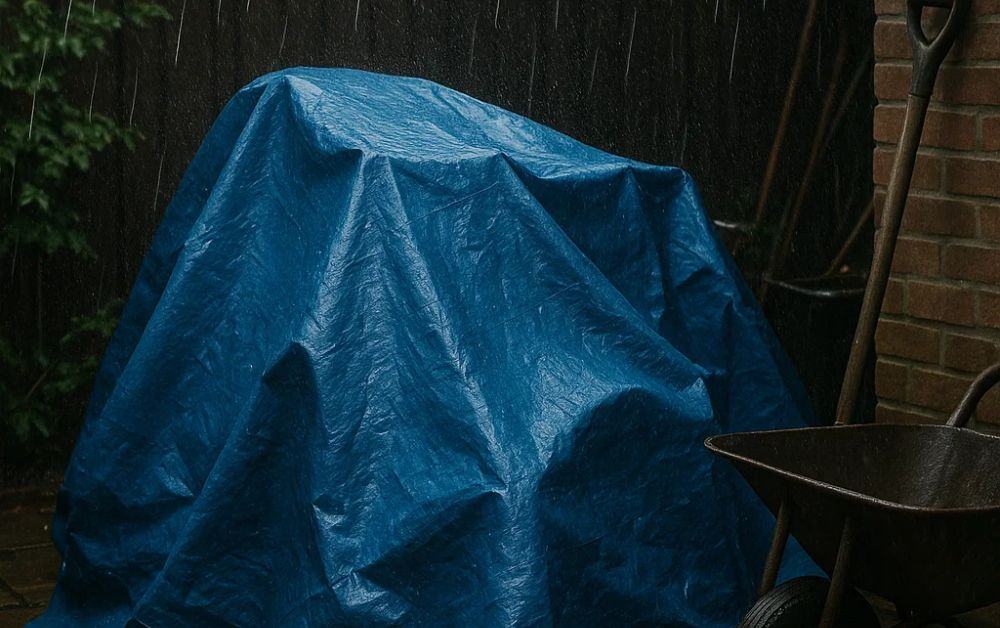
Ultimately, the “best” tarpaulin for UAE weather is the one that meets both your moisture and UV protection needs while fitting your budget and application. A clear understanding of how each type performs can save you from costly damage, premature wear, and unnecessary replacements.
If you’re unsure which option suits your project or want the assurance of professional-grade materials, partnering with a trusted supplier is critical.
HP TARP stands out as a leading name in the UAE tarpaulin market, offering a wide range of high-quality waterproof and UV-resistant tarpaulins designed for the region’s demanding conditions. From construction and logistics to agriculture and events, HP TARP combines advanced materials, customization options, and expert advice to help you protect your investments with confidence. When it comes to durability and peace of mind, HP TARP ensures you never have to compromise.